Dunellen General Contractor Delivering Reliable Construction Services
Dunellen General Contractor Delivering Reliable Construction Services
Blog Article
Why Choosing the Appropriate General Contractor Is Important for Your Project
Identifying the right general contractor is a pivotal decision that can markedly determine a project's fruition. A fit contractor secures efficient handling and adherence to financial plans. Their ability to traverse problems and maintain clear messaging is paramount. However, many building owners neglect critical factors in this vetting cycle. Understanding these particulars can advance to better consequences and heightened satisfaction. What should one think about when making this significant choice?
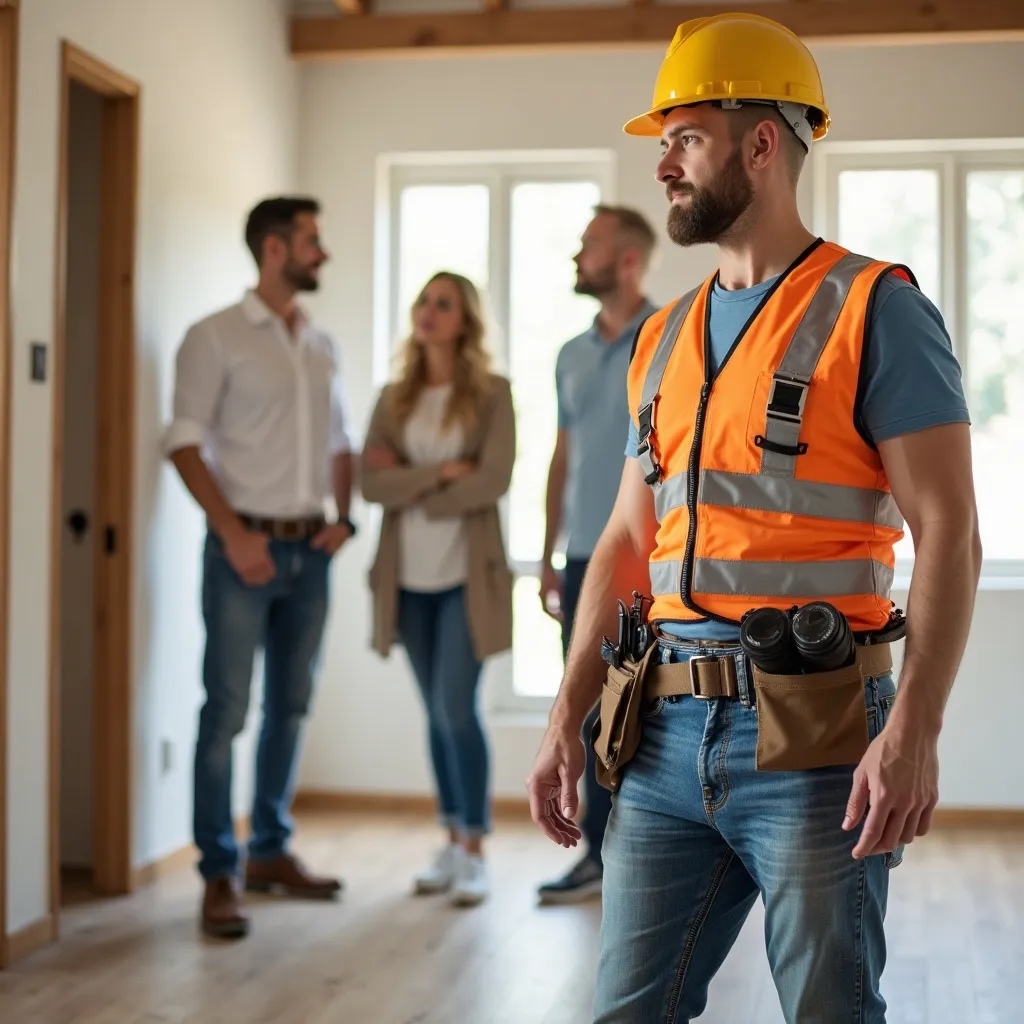
Common Obstacles in Hiring a General Construction Professional
When choosing a building contractor, prospective customers often face numerous typical difficulties that can hinder the selection process. One significant hurdle is the overwhelming number of options available, which can lead to uncertainty and hesitation. Customers may find it hard to distinguish among contractors based on qualifications, experience, and pricing, making it difficult to identify who will best satisfy their project needs.
One concern is the insufficient openness in contractor estimates, where undisclosed charges may appear later, changing the project spending. Moreover, clients may face challenges surrounding dialogue; some contractors may fail to keep clients informed during the process, producing frustration. Lastly, clients often deal with verifying a contractor's track record and prior work, which can create uncertainty regarding the quality of service expected. These complications necessitate thoughtful review and research to guarantee the right choice is made.
Importance of a Reliable Construction Professional
A trustworthy general contractor serves in an essential role in ensuring efficient project management and maintaining quality standards. Their knowledge helps streamline processes, reducing expenses and delays. Additionally, a trustworthy contractor upholds high standards, resulting in quality workmanship and client satisfaction.
Optimize Project Administration Results
Successful project management is dependent on the dependability of a general contractor. A trustworthy contractor guarantees that deadlines are met, resources are efficiently allocated, and communication flows effortlessly among all stakeholders. Their expertise in coordinating subcontractors, suppliers, and laborers directly affects the project's progress and success overall. A dependable contractor anticipates obstacles, implements remedies promptly, and maintains focus on project objectives, minimizing delays and controlling cost overruns. This efficiency creates a collaborative atmosphere, enabling adjustments and improvements as needed. Ultimately, the general contractor's trustworthiness enhances both project operations and trust among clients and team members, ensuring everyone remains aligned toward a successful result.
Quality Assurance Measures
Dependable general contractors play a key role in ensuring quality control during the entire project. They guarantee that every task complies with established guidelines and industry best practices, which is crucial to the durability and safety of the structure. A competent contractor holds strict oversight over materials and workmanship, performing regular inspections to find and resolve problems quickly. This proactive approach reduces risks linked to inferior construction, ultimately safeguarding the investment. Furthermore, a reliable contractor facilitates communication among all stakeholders, ensuring clear and fulfilled expectations. By focusing on quality assurance, a skilled general contractor not only improves the end product but also builds trust with clients, establishing the base for successful project results.
Examining a Professional's Qualifications and Credibility
When picking a general contractor, understanding their expertise and credibility is essential, as these factors significantly impact project results. A contractor's experience typically reflects their ability to manage various kinds of projects, complexities, and obstacles. Looking at their portfolio provides insight into past projects, showcasing quality workmanship and meticulous attention to detail.
Additionally, reputation serves as a vital factor in creating trust. Prospective clients should seek online reviews, testimonials, and references to measure satisfaction levels from previous clients. Engaging with past customers can demonstrate the contractor's reliability, communication skills, and adherence to timelines and budgets.
Furthermore, industry affiliations and accreditations can enhance a contractor's credibility, indicating a commitment to superior standards and responsible practices. By meticulously examining both track record and credibility, clients can select wisely, ultimately setting the stage for a victorious construction project.
Essential Qualities of a Dependable Contractor
A trustworthy contractor regularly exhibits integrity, openness, and strong interpersonal abilities. These vital traits create the foundation of a prosperous professional partnership. Honesty ensures the contractor adheres to ethical practices, providing honest evaluations and practical schedules. Transparency entails fully disclosing assignment information, including costs and possible obstacles, fostering confidence between the contractor and the customer.
Robust communication abilities allow the contractor to effectively communicate ideas, understand client requirements, and quickly address any concerns that occur during the project. Additionally, a dependable contractor showcases adaptability, reacting to changes and unexpected circumstances with flexibility and poise. Attention to detail is another important trait; it shows a commitment to excellence and accuracy in every aspect of the work. Ultimately, these qualities not only enhance project outcomes but also contribute to a positive experience for clients, making the choice of a trustworthy contractor all the more vital.
Important Queries for Bringing On Your General Contractor?
How can one ensure they choose the right general contractor for their project? By posing a series of targeted questions, potential clients can more effectively assess candidates. First, inquiring about the contractor's experience with similar projects offers insight into their expertise. It's also vital to ask for references; communicating with previous clients can reveal the contractor's reliability and quality of work.
Next, examining licensing and insurance verifies that the contractor meets legal requirements and safeguards the client from possible liabilities. Clients should also inquire about timelines and project management strategies to assess how the contractor intends to manage the project effectively.
Budget conversations are crucial; asking for a comprehensive quote prevents unexpected costs later. Finally, comprehending the contractor's preferred communication style can set the groundwork for a successful partnership. By addressing these important inquiries, clients can choose wisely in selecting their general contractor.
The Importance of Interaction With Your Contractor
Effective discourse with a contractor is essential for undertaking accomplishment. Clarifying unambiguous expectations and delivering immediate notifications can prevent conflicts that often lead to costly delays. Additionally, promoting an open interaction develops trust, assuring a more seamless collaboration throughout the construction process.
Defined Standards Promote Excellence
Establishing clear expectations is crucial for a effective partnership with a general contractor. Effective communication lays the foundation for understanding project goals, timelines, and budget constraints. When both parties communicate their needs and concerns, it reduces the risk of misunderstandings that can disrupt progress. A contractor who knows the specific requirements can distribute resources wisely and address potential challenges proactively. In addition, clear expectations fosters accountability, ensuring that the contractor delivers on promises and that the homeowner feels involved in the process. By prioritizing open dialogue from the outset, clients can improve cooperation and satisfaction, ultimately leading to a more efficient project execution. Clear expectations not only optimize workflows but also build trust between the homeowner and the contractor.
Well-timed Updates Avoid Misinterpretations
Setting clear parameters builds the foundation for effective collaboration, yet regular communication is critically important. Regular updates from a project manager can eliminate misunderstandings that may occur during a project. When contractors regularly deliver progress information, clients stay abreast of timelines, budget revisions, and potential impediments. Such proactive communication works to full article align each party's objectives and decreases the risk of disagreements later. Moreover, if problems arise, immediate communication permits quicker resolutions, maintaining the project moving forward. Through developing a culture of transparent dialogue, contractors illustrate their dedication to the project's success, in the end producing a more efficient operation and higher client happiness. Thus, timely updates act as a vital element in maintaining clarity and trust during the building journey.
Open Conversation Creates Trust
As a project progresses, maintaining an open dialogue with the main contractor becomes essential for building trust and collaboration. Effective communication guarantees that all stakeholders have a clear understanding of requirements, timelines, and potential obstacles. When contractors and customers participate in frequent conversations, it enables for the recognition of problems before they worsen, reducing disruptions. This openness not only builds confidence but also improves the overall construction experience. Additionally, an direct communication channel encourages feedback, allowing the contractor to make modifications that match the client's vision. In the end, strong communication creates a basis of reciprocal respect, which is essential for the timely completion of any construction project. Confidence built through communication leads to better outcomes for everyone participating.
Frequently Requested Questions
How can I verify if a Contractor possesses a License?
To determine if a contractor is authorized, one should examine local governing bodies and internet sites, authenticate their license number, and confirm it's active. Additionally, perusing internet feedback can furnish knowledge about their credibility and reliability.
What Policies Does My Service Provider Need?
A builder should carry general liability insurance, workers' compensation, and, if relevant, professional liability insurance. These cover possible harm, workplace injuries, and mistakes in craftsmanship, ensuring financial protection for both the builder and the client.
What Procedures Should I Follow to Assess a Professional's Client Feedback?
To validate a contractor's background, one should solicit a inventory of former clients, contact them personally, and learn about their experiences. In addition, studying digital reviews and rankings can supply valuable insights into the contractor's reliability.
What Might I Consider if Complications Materialize During the Project?
If challenges occur during the project, one should document the problems, interact directly with the contractor, and seek a resolution. If necessary, involving a third party or obtaining legal counsel may also be advisable.
Do You Need to Identify Problem Indicators Throughout the Hiring Process?
Warning signs in the recruitment phase consist of vague estimates, lack of references, poor communication, incomplete licenses, and unfavorable ratings. These indicators point to possible problems that could affect the project's quality and timeline.
Report this page