Powell River Top General Contractor for Complete Renovation Services
Powell River Top General Contractor for Complete Renovation Services
Blog Article
General Contractor: Your Dependable Expert for Home Tasks
A general contractor fulfills an crucial role in home projects. They oversee various aspects of building work, guaranteeing that all operations proceed without issues. Their expertise in building codes and regulations allows them to handle the complexities of licenses and assessments. This professional serves as a vital link between clients and specialized tradespeople. However, many homeowners stay uncertain about the full scope of their services. Comprehending these specifics can significantly impact the discover this outcome of any renovation project.
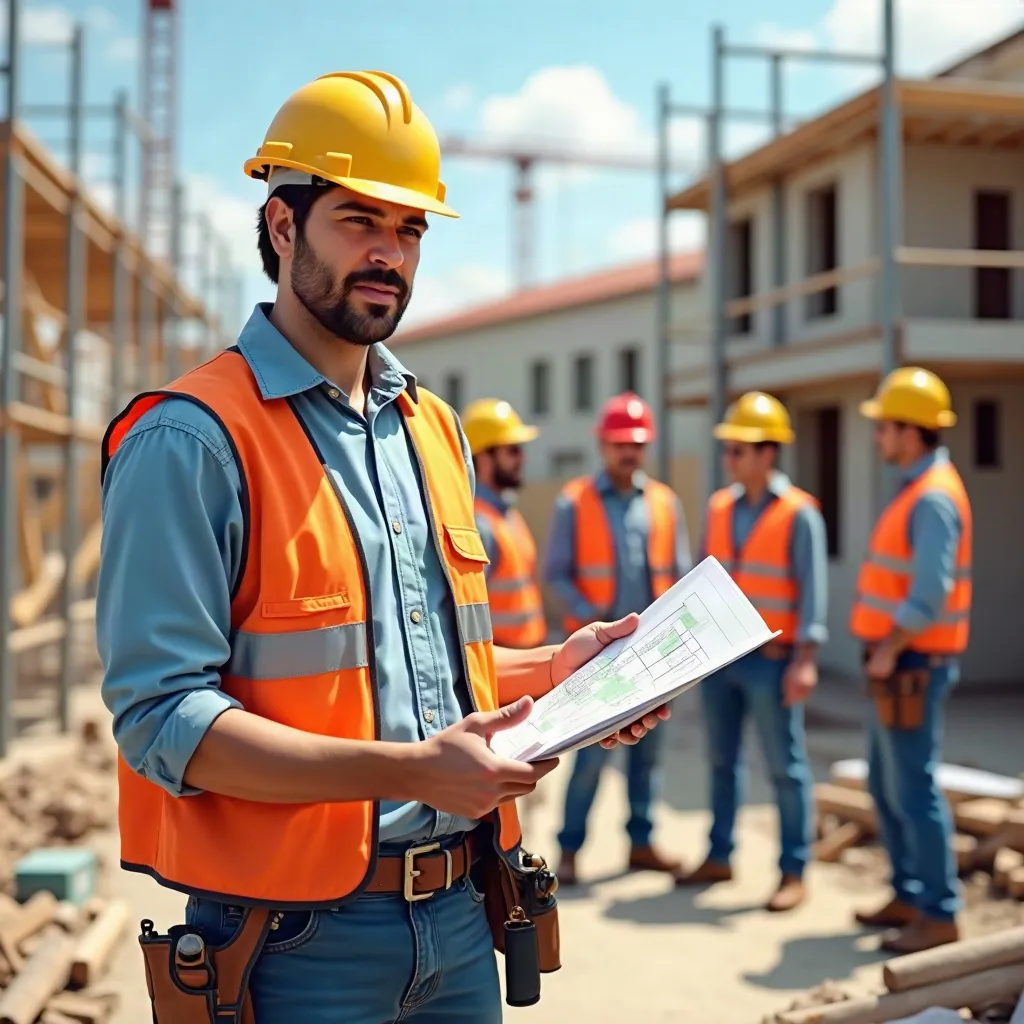
In What Ways Do a General Contractor Contribute?
A general contractor manages the various elements of a building project, making certain that operations proceed without interruption from start to finish. They serve as the chief communication hub, managing communication between project owners, trade contractors, and material providers. This role encompasses structuring the work schedule, coordinating crew members, and ensuring compliance with local building codes and regulations.
General contractors are in charge of obtaining necessary permits and scheduling inspections, which are essential to maintaining safety and quality standards. They also handle budget planning, material procurement, and overseeing site operations to mitigate any potential delays or issues. In addition, they oversee subcontractors, ensuring that each phase of construction aligns with project specifications and timelines. Overall, a general contractor's expertise and organizational skills are essential to completing a successful construction project, transforming a client's vision into reality while balancing multiple tasks and responsibilities.
Working with a skilled builder for home renovations delivers multiple perks that can substantially enhance the quality and efficiency of the job. General contractors deliver knowledge in overseeing projects, guaranteeing that timelines are met and materials are managed effectively. Their long-standing relationships with trade professionals can result in competitive pricing and superior workmanship, which ultimately helps homeowners by saving both time and money.
Also, building managers supervise the intricate details of authorizations and assessments, curtailing prospective legal complications. They also furnish a single point of contact, simplifying correspondence and cooperation among various trades. This streamlining mitigates the likelihood of confusion and slowdowns.
Moreover, their background allows them to predict upcoming obstacles, enabling proactive solutions to keep the project on track. By retaining a general contractor, homeowners can prioritize their vision while enjoying peace of mind, recognizing that a professional is overseeing every aspect of the renovation.
Debunking Myths About Construction Contractors
While many property owners may hold false beliefs about general contractors, understanding the realities can lead to more informed decisions. One prevalent myth is that hiring a general contractor is unnecessary for small projects; however, their skills can simplify even minor renovations, ensuring compliance with local codes. Another common belief is that general contractors are merely middlemen, but they often possess extensive knowledge in various trades, enabling them to manage projects efficiently. Additionally, some homeowners think that working with a contractor will considerably inflate costs. In truth, a skilled general contractor can often secure better rates for materials and labor due to strong relationships with suppliers and subcontractors. Finally, many believe that contractors are inflexible, but trusted contractors prioritize client communication and collaborate closely to meet individual needs. Cleared up myths can empower homeowners to leverage the true value of general contractors in achieving successful home projects.
Finding the Perfect General Contractor?
How can property owners guarantee they choose the ideal construction professional for their undertakings? The approach begins with comprehensive investigation. Homeowners should obtain suggestions from friends, family, or online reviews to identify qualified contractors. Once a list is assembled, confirming qualifications, such as licensing, bonding, and insurance, is essential to confirm legitimacy.
Next, homeowners should solicit and assess portfolios of previous work, emphasizing work of comparable scale. Arranging consultations allows clients to gauge compatibility, addressing deadlines, finances, and goals. It's also prudent to gather multiple bids for comparison, delivering a transparent view of costs.
Reviewing references gives perspective on a contractor's dependability and expertise. Finally, relying on your gut feeling is essential; an first consultation can reveal much about a contractor's way of communicating and methodology. By adhering to these guidelines, homeowners can significantly boost their likelihood of picking a general contractor who aligns with their objectives and goals.
Strong Communication Strategies For Working With Your General Contractor
What approaches can homeowners utilize to confirm clear exchanges with their general contractor? Establishing transparent discussion from the start is vital. Homeowners should clearly articulate their goals, project aims, and financial limits during opening conversations. Regular updates can be supported through scheduled meetings, ensuring that both parties remain aligned throughout the project.
Using written documentation, such as emails or project logs, helps strengthen verbal agreements and minimizes confusion. Homeowners should also promote transparent communication by soliciting feedback and questions from the contractor, fostering a collaborative environment.
In addition, harnessing technological tools, like project management apps, can improve communication by presenting a centralized platform for communicating updates, timelines, and changes. Finally, being considerate and approachable can elevate rapport, allowing it less difficult for the contractor to voice challenges or suggestions effectively. By applying these strategies, homeowners can build up a rewarding and forthright relationship with their general contractor.
Things to Know When Your Initiative Starts?
As the work commences, homeowners can expect a flurry of activity on-site. The general contractor will coordinate squads of experienced workers, along with electricians, plumbers, and carpenters, who will begin their work per the set schedule. Homeowners may witness equipment and goods being brought in, creating a bustling feel.
Staying in contact is essential during this period. The contractor will share updates on how things are progressing and address any worries that surface. Homeowners should ready themselves for potential disruptions, such as noise and restricted passage to certain areas of the home.
Safety measures will be in place to preserve both workers and residents, ensuring a secure context. Additionally, homeowners may be encouraged to maintain flexibility, as unpredictable obstacles can arise, prompting adjustments to the original plan. Overall, this initial phase initiates the foundation for the successful completion of the project, and active cooperation is essential.
Vital Topics for Your Primary Contractor Arrangement?
Identifying the appropriate questions to ask when completing a general contractor agreement is vital for guaranteeing a smooth project. Homeowners should ask about the contractor's permit and protection to validate their credentials and protection against liabilities. Understanding the project timetable and checkpoints is significant; therefore, asking about anticipated completion dates helps regulate expectations.
It is also paramount to communicate financial specifications, like deposit amounts and payment plans, to forestall misconceptions. Homeowners should secure a detailed breakdown of costs, highlighting building materials and skilled work, to assure transparency. In addition, engaging in discussion about the system for handling alterations or unforeseen issues can avert conflicts later.
To wrap up, property owners should look into information about subcontractors and their experience, as well as the contractor's communication strategy throughout the project. By tackling these questions, property owners can maintain a strong partnership with their primary contractor, ultimately facilitating a successful home improvement project.
Frequently Asked Questions
What Methods Do General Contractors Use to Invoice for Their Services?
General contractors commonly bill via set fees, hourly pricing, or a cut of the total project price. Their pricing may also include materials, labor, and indirect costs, depending on the project's complexity and scope.
Can a General Contractor Help With Permits and Inspections?
Yes, a construction professional can help with securing permits and managing inspections. They typically handle local regulations and ensure compliance, streamlining the process for homeowners while enabling necessary approvals throughout the construction project.
What Skills Should I Search for in a General Contractor?
When designating a construction company, one should evaluate professional attributes such as licensing, insurance, history with related undertakings, positive references, and proficient communication practices, ensuring they retain the vital expertise to manage the project successfully.
What Duration Should You Anticipate for a Standard Home Remodeling Venture?
A conventional home renovation project can consume anywhere from a few weeks to several months, determined by the range, complexity, and size of the project, as well as the availability of materials and labor.
What Transpires if My Initiative Goes Over Spending Cap?
Should a project exceed the budget, the contractor usually communicates the causes and alternatives with the property owner. Adjustments may involve scaling back, seeking additional funding, or adjusting the project parameters to conform to budget constraints.
Report this page