Powell River Top General Contractor for Quality Workmanship
Powell River Top General Contractor for Quality Workmanship
Blog Article
General Contractor: Your Best Specialist for Home Undertakings
A general contractor performs an important role in residential undertakings. They supervise multiple components of construction, making sure that operations proceed without issues. Their expertise in building codes and regulations enables them to work through the complexities of authorizations and inspections. This expert functions as an essential connection between clients and subcontractors. However, many homeowners remain uncertain about the full extent of their work offerings. Understanding these particulars can greatly affect the achievement of any renovation project.
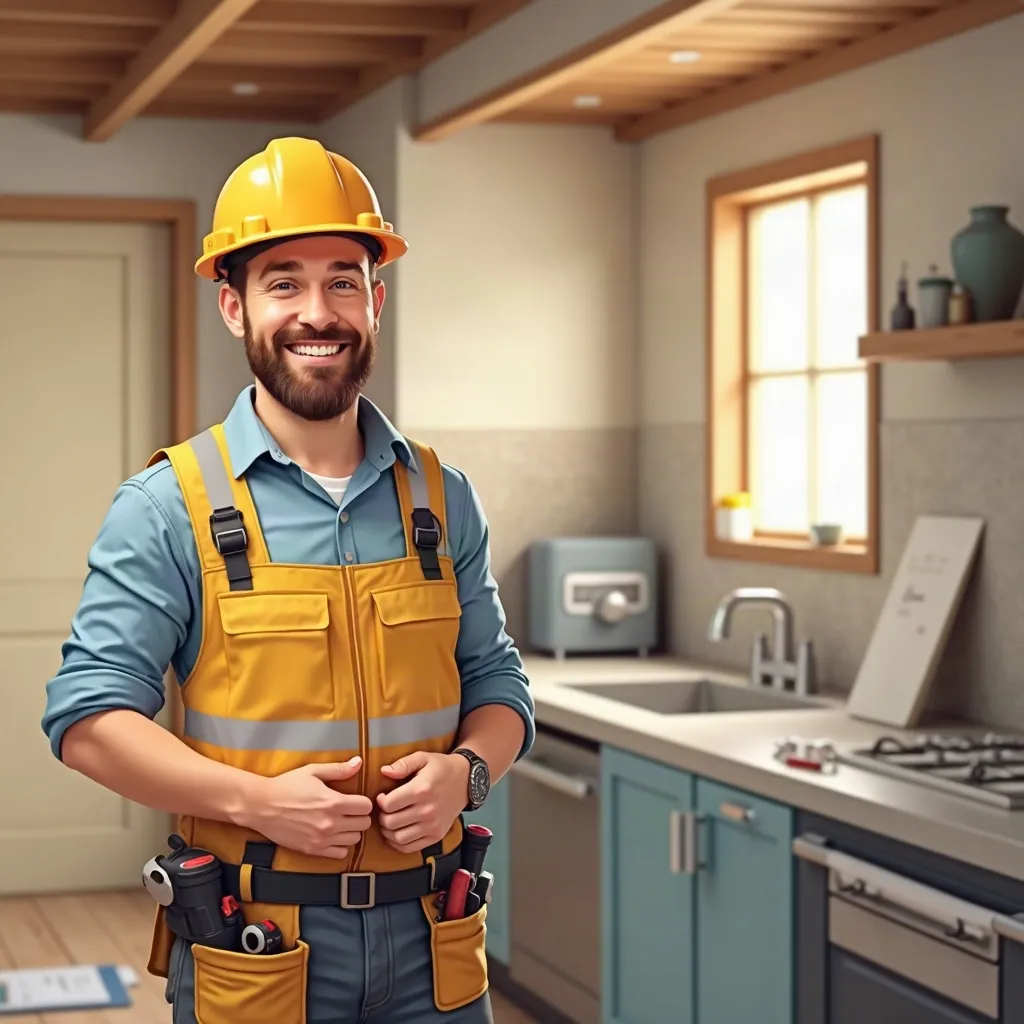
What Does a General Contractor Do?
A general contractor directs the assorted components of a construction project, making sure that everything runs smoothly from start to finish. They serve as the primary point of contact, managing communication between project principals, independent contractors, and suppliers. This assignment entails designing the execution plan, coordinating labor, and ensuring observance with state and local building regulations and regulations.
General contractors are in charge of acquiring required licenses and arranging inspections, which are vital for maintaining safety and quality standards. They also manage budget planning, material procurement, and overseeing site operations to prevent any possible setbacks or complications. In addition, they supervise subcontractors, making sure that each phase of construction conforms to project specifications and timelines. Overall, a general contractor's expertise and organizational skills are crucial for completing a successful construction project, transforming a client's vision into reality while balancing multiple tasks and responsibilities.
Benefits of Employing a General Contractor for Home Renovations
Engaging a a general contractor for home renovations delivers multiple perks that can significantly boost the efficiency and quality of the job. General contractors offer expertise in project management, ensuring that timelines are met and materials are managed efficiently. Their solid connections with subcontractors can produce competitive pricing and superior workmanship, which in turn benefits property owners by saving both time and money.
Moreover, construction managers manage the complex aspects of licensing and compliance, minimizing potential legal issues. They also provide a unified liaison, easing communication and coordination among various trades. This streamlining decreases the likelihood of misunderstandings and delays.
Furthermore, their expertise allows them to foresee possible issues, enabling preventative measures to maintain the project on track. By hiring a general contractor, homeowners can concentrate on their vision while enjoying peace of mind, knowing that a professional is overseeing every aspect of the renovation.
Dispelling Common Myths Surrounding Builders
While numerous property owners may hold misconceptions about general contractors, understanding the realities can result in more sound decisions. One common myth is that hiring a contractor is not required for small projects; nevertheless, their expertise can facilitate even small-scale renovations, guaranteeing compliance with local codes. Another widespread belief is that contractors are merely middlemen, but they frequently have in-depth knowledge in various trades, enabling them to coordinate projects competently. Additionally, some homeowners believe that working with a contractor will significantly inflate costs. In fact, a skilled general contractor can often negotiate better costs for materials and labor due to solid relationships with suppliers and subcontractors. Lastly, many consider that general contractors are unyielding, but dependable contractors value client communication and collaborate closely to address unique needs. important guide Dispelled myths can empower clients to capitalize on the genuine value of general contractors in achieving productive home projects.
How to Choose the Right General Contractor?
How can homeowners guarantee they select the ideal construction professional for their assignments? The approach starts with comprehensive investigation. Homeowners should obtain suggestions from friends, family, and online reviews to locate potential candidates. Once a list is created, verifying qualifications, such as licensing, bonding, and insurance, is vital to confirm legitimacy.
Next, homeowners should request and review portfolios of previous work, focusing on assignments of comparable size. Setting up interviews allows property owners to assess fit, discussing timelines, budgets, and expectations. It's also advisable to get several estimates for evaluation, providing a clear understanding of costs.
Reviewing references provides insight into a contractor's dependability and expertise. Finally, following your intuition is essential; an first consultation can uncover a contractor's way of communicating and methodology. By adhering to these guidelines, homeowners can substantially improve their likelihood of picking a general contractor who suits their objectives and goals.
Successful Communication Techniques Alongside Your General Contractor
Which techniques can homeowners utilize to ensure strong communication with their general contractor? Establishing clear communication from the start is essential. Homeowners should clearly express their needs, project aims, and spending restrictions during initial discussions. Ongoing reports can be enabled through arranged conferences, making certain that both parties remain synchronized throughout the project.
Using documented records, such as emails or project logs, serves to reinforce spoken commitments and minimizes misunderstandings. Homeowners should also promote transparent communication by inviting input and inquiries from the contractor, creating a collaborative environment.
Moreover, utilizing digital tools, including project management apps, can streamline dialogue by offering a unified platform for sharing information, timelines, and changes. Finally, being courteous and approachable can enhance rapport, making it simpler for the contractor to convey challenges or suggestions successfully. By implementing these strategies, homeowners can develop a productive and transparent partnership with their general contractor.
What You'll Learn When Your Project Starts?
Once the project launches, homeowners can prepare for a flurry of activity on-site. The prime contractor will direct teams of skilled tradespeople, such as electricians, plumbers, and carpenters, who will start their work following the established timeline. Homeowners may notice construction equipment and supplies being moved in, creating a bustling atmosphere.
Open communication is vital during this period. The contractor will communicate progress updates and handle any concerns that arise. Homeowners should ready themselves for possible disruptions, such as noise and limited entry to certain areas of the home.
Safety safeguards will be in place to protect both workers and residents, ensuring a secure environment. Additionally, homeowners may be urged to keep flexibility, as unanticipated challenges can arise, necessitating adjustments to the original plan. Overall, this initial phase establishes the foundation for the successful completion of the project, and active involvement is essential.
Basic Concerns for Your Overall Contractor Agreement?
Identifying the appropriate inquiries to pose when finalizing a general contractor agreement is crucial for securing a seamless project. Homeowners should inquire about the contractor's license and coverage to validate their credentials and protection against liabilities. Understanding the project schedule and benchmarks is important; therefore, asking about projected completion dates helps control expectations.
It is also vital to define financial conditions, comprising initial payments and payment schedules, to avert misunderstandings. Homeowners should seek a thorough accounting of fees, encompassing components and labor, to guarantee transparency. In addition, deliberating the process for dealing with adjustments or unexpected complications can thwart disagreements in the future.
Finally, homeowners must gather details about the credentials of subcontractors, as well as the contractor's communication strategy throughout the project. By exploring these topics, property owners can build a productive relationship with their general contractor, ultimately resulting in a successful home project.
Popular Inquiries Asked Often
How Will General Contractors Set Their Fees for Services?
General contractors typically charge via set fees, hourly pricing, or a cut of the total project price. Their fee structure may also include materials, human resources, and overhead, determined by the level of complexity and project scope.
Can a General Contractor Provide Aid With Permits and Reviews?
Yes, a construction professional can aid in securing permits and overseeing inspections. They generally navigate local regulations and guarantee compliance, simplifying the workflow for homeowners while facilitating necessary approvals throughout the building project.
What Skills Should I Locate in a General Contractor?
When selecting a building contractor, one should examine professional standing such as appropriate licensing, insurance, experience in relevant projects, quality references, and excellent communication competencies, ensuring they possess the necessary expertise to direct the project in a successful manner.
What Timeframe Should You Expect for a Typical Home Renovation Project?
A standard home renovation project can take anywhere from a few weeks to several months, depending on the scale, intricacy, and size of the project, as well as the availability of materials and labor.
What Happens if My Project Exceeds Cost Allowance?
Should a project go over budget, the builder typically discusses the causes and alternatives with the homeowner. Modifications may include scaling back, pursuing more funds, or adjusting the project parameters to conform to financial limits.
Report this page